


Psoriasis is contagious and can be spread through touch
MYTH: Psoriasis is not contagious, but an autoimmune disease – therefore, you cannot "catch" it from another person.
This disease is not transmitted through sexual intercourse, kissing, sweating, swimming in a pool, or skin-to-skin contact. Almost all forms of psoriasis arise from a combination of genetic predisposition and abnormal immune response that leads to chronic inflammation and rapid skin cell turnover, resulting in typical symptoms.
Although this fact is well known among patients, social stigma still persists. Some people avoid those with psoriasis or assume the visible symptoms as "dangerous." Education in this area is key – fear and isolation can be just as unpleasant for the patient as the physical symptoms.
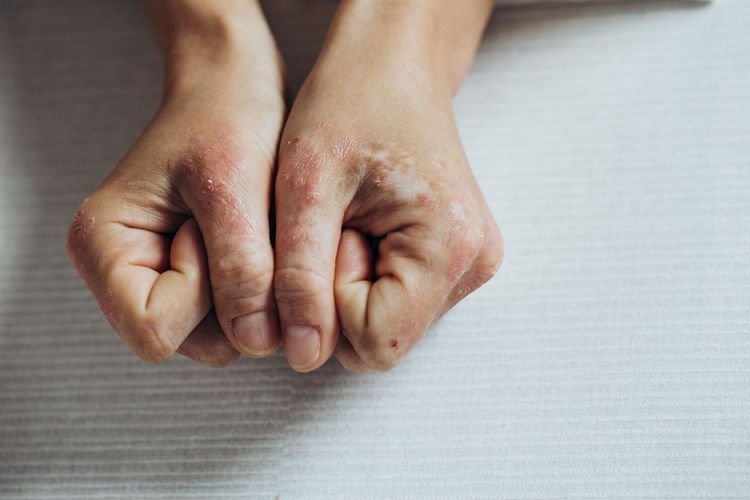
Psoriasis is just a skin disease
MYTH: Psoriasis is a systemic inflammatory disease that affects more than just the skin.
If left untreated, psoriasis can lead to inflammatory processes throughout the body. More than a third of patients may eventually develop psoriatic arthritis over time, which affects the joints and can cause permanent damage if not treated.
Psoriasis is also associated with an increased risk of cardiovascular disease, obesity, metabolic syndrome, and metabolic dysfunction-associated steatohepatitis (MASLD).
Psychological effects are common too. Scientists have found that depression, anxiety, and social withdrawal may result not only from stigma and the appearance of the skin, but also the inflammatory nature of the disease at the molecular level, which may influence mood regulation.
This is one of the reasons why psoriasis is now classified as a systemic autoimmune disease.
Psoriasis cannot be cured
MYTH: Psoriasis cannot be cured, but there are effective therapies that can keep it under control.
Psoriasis is a chronic condition with recurring flare-ups (relapses) and remissions. However, this does not mean patients must "suffer without a solution."
Modern medicine offers a wide range of treatments for all stages of psoriasis, from topical preparations and phototherapy to systemic and biologic drugs. With modern treatment, many patients achieve almost clear skin or even complete remission.
The key is to tailor the treatment based on the type of psoriasis, the extent of the condition, and the presence of associated diseases. Therefore, regular communication with a dermatologist and long-term monitoring of the condition are essential.
You can find more information about psoriasis treatment options on this subpage.
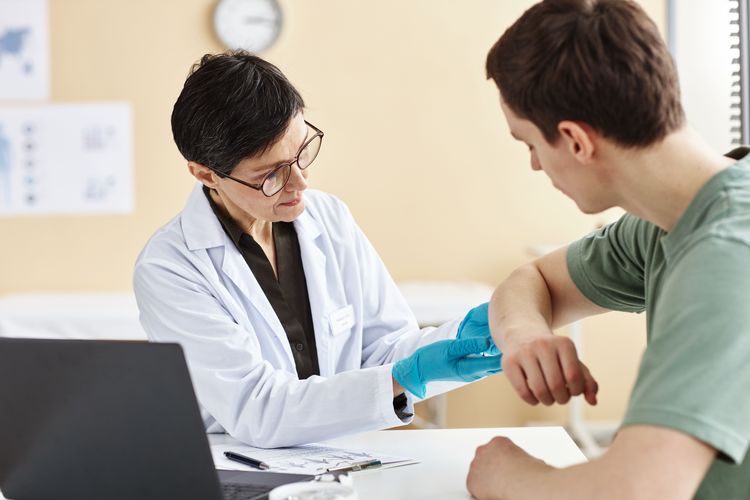
Biologic treatment is dangerous and should be a last resort
MYTH: Biologics are modern, highly selective therapies that are safe and well tolerated by many patients.
Biologic drugs target specific molecules involved in the inflammatory process in psoriasis (most commonly cytokines such as IL-17, IL-23, or TNF-α). Unlike older systemic drugs, they effectively suppress the symptoms of the disease without suppressing the whole immune system.
The safety profiles of biologics are now well documented, and for patients with moderate to severe psoriasis, biologics are often the most effective treatment option available.
The reason why they are considered the "last resort" is mainly financial. Biologics are expensive, so the healthcare system must reserve them for cases where other treatments fail or aren’t tolerated.
You can find more information about biologics of psoriasis here. If you are interested in a consultation, choose one of the specialized dermatology clinics and fill out a non-binding order form.
Alcohol and smoking can worsen the course of the disease and the response to treatment
FACT: Research has repeatedly confirmed that both alcohol and smoking have a negative impact on the course of psoriasis and the effectiveness of treatment.
Smoking is the most significant environmental risk factor for pustular psoriasis and negatively affects all types of psoriasis. Nicotine, toxins, and oxidative stress activate inflammatory molecules, which can worsen the condition, reduce the response to treatment, and prolong the time needed to achieve remission (relief).
Alcohol increases inflammation in the body, stresses the liver, worsens sleep quality, and may increase the frequency and severity of flare-ups, even in small amounts. In addition, alcohol should not be consumed with systemic medications because it increases the risk of liver damage.
Stress is a common trigger for psoriasis
FACT: Stress does not cause psoriasis, but it can significantly worsen the course of the disease.
Stress is one of the most common triggers and aggravating factors. It increases levels of inflammatory molecules in the body and thus directly worsen skin symptoms.
Stress management is therefore not just "extra advice," but a legitimate part of comprehensive disease management. Psychotherapy, relaxation, regular sleep, and physical activity can promote remission and improve quality of life.

Psoriasis is caused by poor hygiene
MYTH: Hygiene has nothing to do with the disease, genetics, immunity, and triggers are the deciding factors.
Psoriasis occurs when autoimmune inflammation is triggered, resulting in skin cells dividing several times faster. This process is unrelated to skin cleanliness or the environment.
Although proper skincare can improve patients’ comfort (e.g., in cases of dryness, itching, or infected cracks), hygiene is not the cause of the disease.
This myth is one of the most common and can be especially harmful, contributing to shame, stigma, and social avoidance. Patients should know that psoriasis is not the result of uncleanliness or neglect, it is an autoimmune disease that requires professional treatment, not excuses.
Tattoos can also worsen psoriasis
FACT: Mechanical damage to the skin (including tattoos) can cause new lesions to appear in areas of irritation, known as Koebner phenomenon. Not all patients experience it, and it sometimes appears months after getting a tattoo.
However, this does not mean that all psoriasis patient must avoid tattoos. The key is to plan ahead, consult a dermatologist, stabilize the condition, and choose a professional tattoo studio with proper hygiene and aftercare.
If you were recently diagnosed with psoriasis or you have been living with it for years and are still searching for the right treatment, Livio.heath is the right source of information for you. Fill out a short questionnaire and we will direct you to relevant content tailored specifically for you.


